What is AB 3216?
Assembly Bill 3216 (AB 3216), also called the Phone-Free Schools Act, will require every California school district to limit or ban student use of smartphones and smartwatches during school hours starting July 1, 2026. This law will impact more than 6 million K-12 students statewide, though each district will decide how to put it into practice.
The ban covers student use of smartphones and smartwatches during school hours. Unlike earlier efforts in California, which usually let local districts decide or only suggested restrictions, AB 3216 is the first statewide law that requires all districts to set and enforce clear rules with real accountability. Previous bills, such as AB 272 (2019), only encouraged voluntary restrictions, leading to inconsistent adoption across the state.
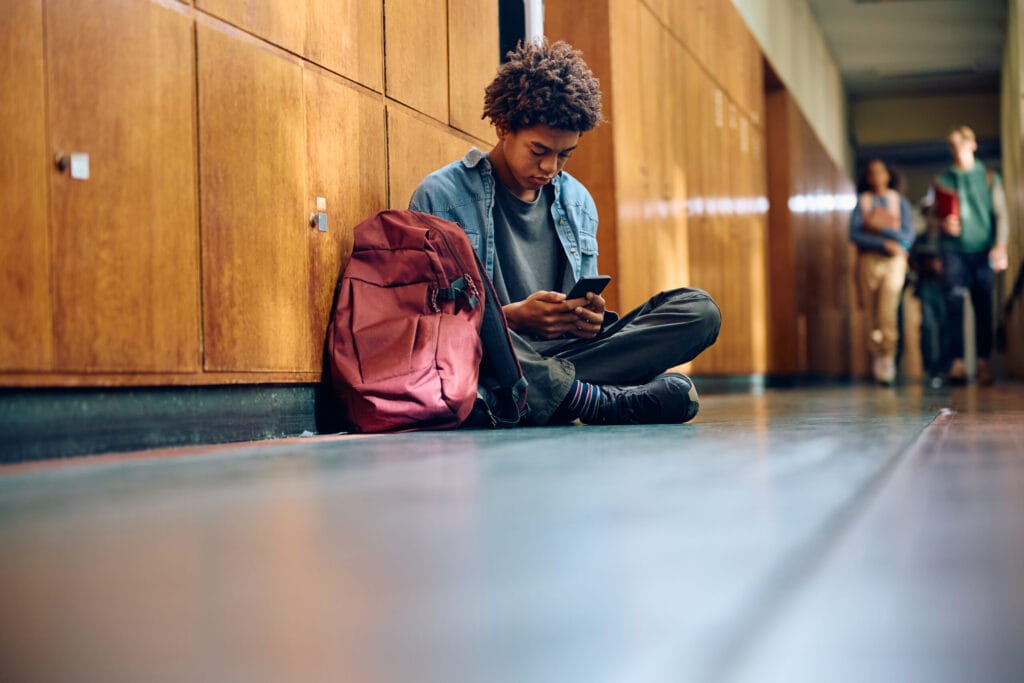
Photo by DRAZEN via Adobe Stock
Estimated reading time: 12 minutes
Table of contents
- What is AB 3216?
- What You Need to Know About California’s New Cell Phone Law
- AB 3216 Exceptions and the Ongoing Debate
- Enforcing AB 3216: Comparing the Three Leading Compliance Models
- Ban on AI Teachers: Protecting Human Instruction
- Community Response to AB 2148
- Community Reactions to AB 3216 and What’s Next
- What Parents Should Do: Steps for Navigating AB 3216
- FAQ: California’s 2026 School Phone Law (AB 3216)
What You Need to Know About California’s New Cell Phone Law
This new law sets a consistent and enforceable standard. It follows growing research and concerns from teachers, lawmakers, and health experts about how too much device use can distract students, hurt social skills, and affect mental health.
Recent studies from education experts show that school-wide phone restrictions can help students feel better overall. Schools have reported less cyberbullying, more class participation, and better sleep for students. EdWeb.net also found that strict phone rules lead to fewer classroom disruptions and more in-person social interaction.
Different Approaches by Each District
The new cell phone law in California takes effect in July 2026, but each school board will decide how to enforce it. Because of this, schools in different parts of Southern California are using different strategies.
Large districts like Los Angeles Unified (LAUSD) and San Diego Unified (SDUSD) plan to ban phones entirely. They are working with tech companies to use secure magnetic Yondr pouches, which keep students’ devices locked away all day.
Similarly, Oceanside Unified School District (OUSD) began a pilot program at one of its alternative schools using signal-blocking pouches in 2025. Generation Faraday reports that, after just one semester, 64% of students said they found it easier to focus in class, and school counselors saw a 30% decrease in reported anxiety and social drama incidents.
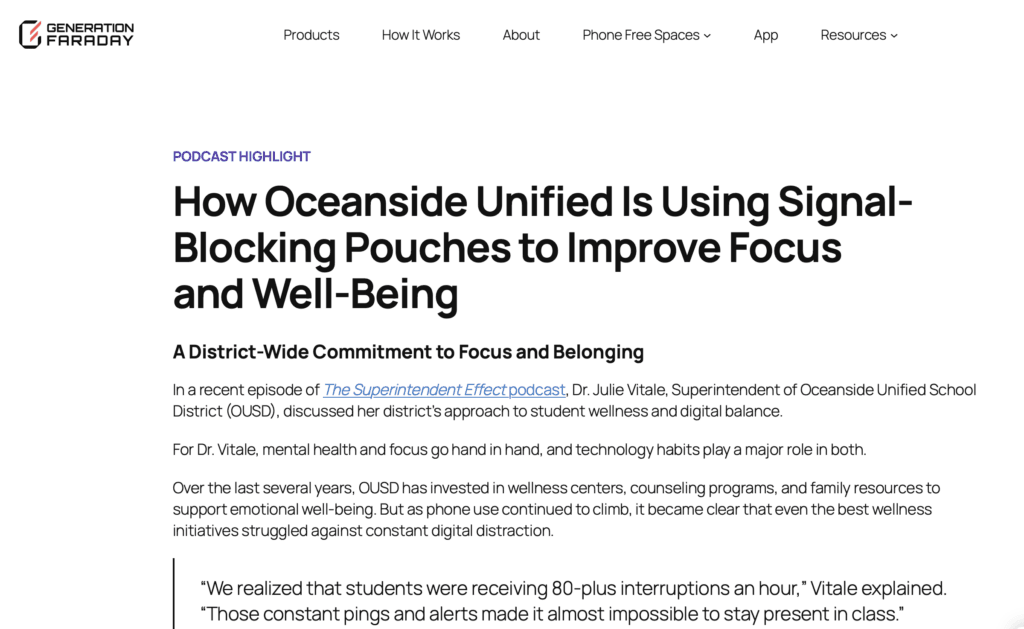
Administrators noted that students were more present in class, and teachers found it easier to build strong classroom communities when phones were not accessible. These data points highlight the measurable impact of strict phone policies on student well-being and day-to-day school climate. Watch the video below to see how Generation Faraday’s bags work.
Other suburban districts in Orange County and the Inland Empire are taking a less strict approach. Students have to keep their phones turned off and in their backpacks, and schools keep track of rule violations with strict penalties.
These different approaches have led to questions about fairness and consistency. Some people worry that strict rules could unintentionally hurt certain students, while more relaxed rules might make the policy less effective. This shows there may be challenges as schools adjust to the new law.
AB 3216 Exceptions and the Ongoing Debate
The law includes some exceptions. Students can use their devices in emergencies, for medical needs such as blood sugar monitoring, or if they have special learning plans.
📊 By the Numbers
July 1, 2026: Statewide implementation deadline
Even with these exceptions, the new rules have started debates among school leaders, students, and families. School officials and tech experts say that constant digital notifications make it harder for students to focus, increase cyberbullying, and raise anxiety during school hours. Research from edWeb.net supports these points, showing that schools with strong phone policies often have fewer negative online interactions and fewer discipline problems caused by digital distractions.
Many local parent groups do not support locking up phones completely. They feel it is important to be able to reach their children quickly, especially because school security incidents can happen without warning.
Students have mixed feelings about these changes. Some are concerned that not having their phones will make it harder to organize activities or find information for schoolwork. Others hope that fewer digital distractions will help them focus and connect more with classmates.
📊 AB 3216 Quick Breakdown: SoCal’s New Classroom Reality
| Policy Rule | The “Hard Lock” (LA / San Diego) | The “Soft Pocket” (OC / Inland Empire) |
|---|---|---|
| Device Location | Locked in magnetic Yondr pouches | Zipped out of sight inside backpacks |
| Access Window | Only at dismissal bell | Passing periods or teacher permission |
| Penalty Risk | Device confiscation / Parent pickup | Strict merit/demerit point drops |
Enforcing AB 3216: Comparing the Three Leading Compliance Models
As school districts prepare for the California Phone-Free Schools Act deadline, administrators face an important question: How can they enforce a phone ban across all students?
Passing the policy is straightforward, but putting it into practice looks very different from one district to another.
To follow the law, school districts are choosing between three main approaches:
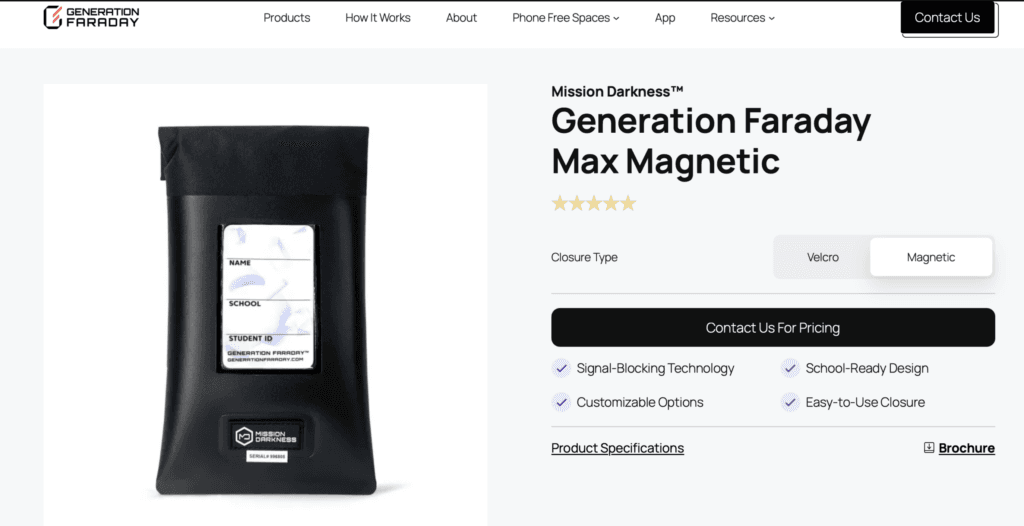
- Generation Faraday: Students put their phones into specialized, signal-blocking fabric bags. These pouches act like a shield, blocking all cellular signals and Wi-Fi so the phone cannot ring, vibrate, or receive alerts at all.
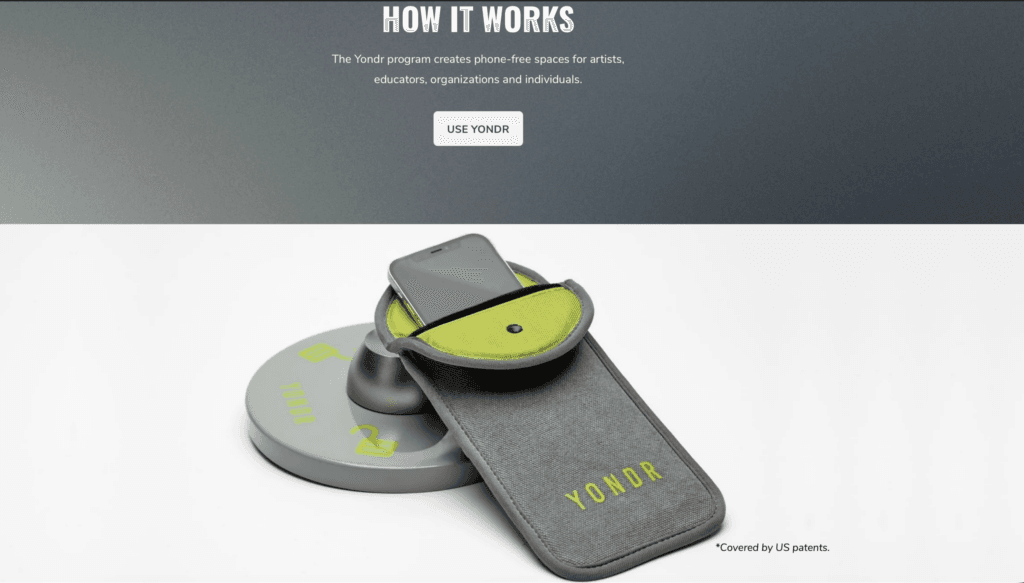
- Yondr Pouches: Students place their phones into a heavy-duty fabric pouch that physically locks shut with a secure magnetic pin. The student keeps the bag with them, but it can only be opened at the end of the day by tapping it against a special unlocking magnet kept by teachers. It does not block signals, so the phone may still ring, vibrate, or receive alerts.
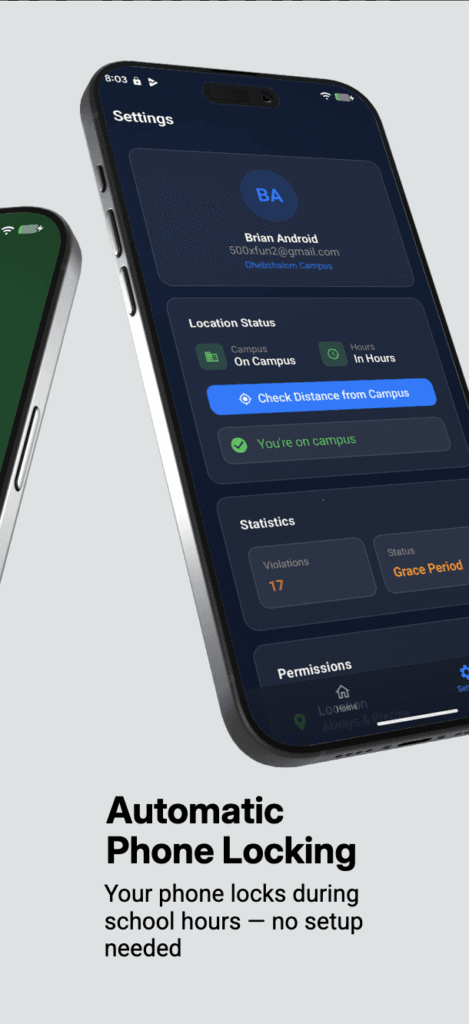
- LockedIn App: This is an entirely digital software solution. When a student steps onto school grounds, GPS technology automatically locks their phone screen. This stops students from using apps or browsing the web during class, without requiring any physical bags or lockers.
Choosing the right approach affects everything from district budgets to emergency response plans. Below is a comparison of these three leading options to help administrators find the best fit for their schools.
| Feature | Generation Faraday | Yondr Pouches | LockedIn App |
|---|---|---|---|
| Core Mechanism | RF signal-blocking fabric shields all wireless inputs. | Physical neoprene pouch with a proprietary magnetic lock. | OS-level device locking activated via campus geofencing. |
| Distraction Prevention | Absolute. Stops all vibration, pings, and alerts. | Partial. Phone is locked away but can still ping or vibrate. | Absolute. Blocks screen access and smart accessory links. |
| Compliance Tracking | Manual checks or verification via companion app. | Visual manual inspection of locked pouch pins. | Real-Time. Live dashboard tracks active student locks. |
| Emergency Protocol | Instant manual opening without proprietary unlocking bases. | Requires physical magnet bases to release mechanism. | One-click administrative bypass unlocks all local phones. |
| Logistical Overhead | Low; durable bags are issued once per student. | High; tracking base unlocks, line jams, and broken locks. | Zero; entirely software-as-a-service (SaaS) model. |
Ban on AI Teachers: Protecting Human Instruction
In addition to AB 3216, in a landmark move for public education, California lawmakers have amended the state’s education code through Assembly Bill 2148 (AB 2148), ensuring that only human teachers—referred to in the law as “natural persons”—can be hired to provide primary instruction in the state’s K-12 public schools. This legislation, signed in 2026, makes California the first state in the nation to explicitly ban the use of artificial intelligence systems as classroom teachers.
According to reporting from EdSource and Local News Matters, the law was motivated by concerns over student privacy, the preservation of teacher jobs, and the fundamental belief that learning is most effective through the human connection, empathy, and nuanced judgment that professional educators provide. Lawmakers emphasized that while AI technology can be a powerful tool for tutoring or individualized support, it cannot replicate the mentorship, creativity, and ethical guidance that teachers offer.
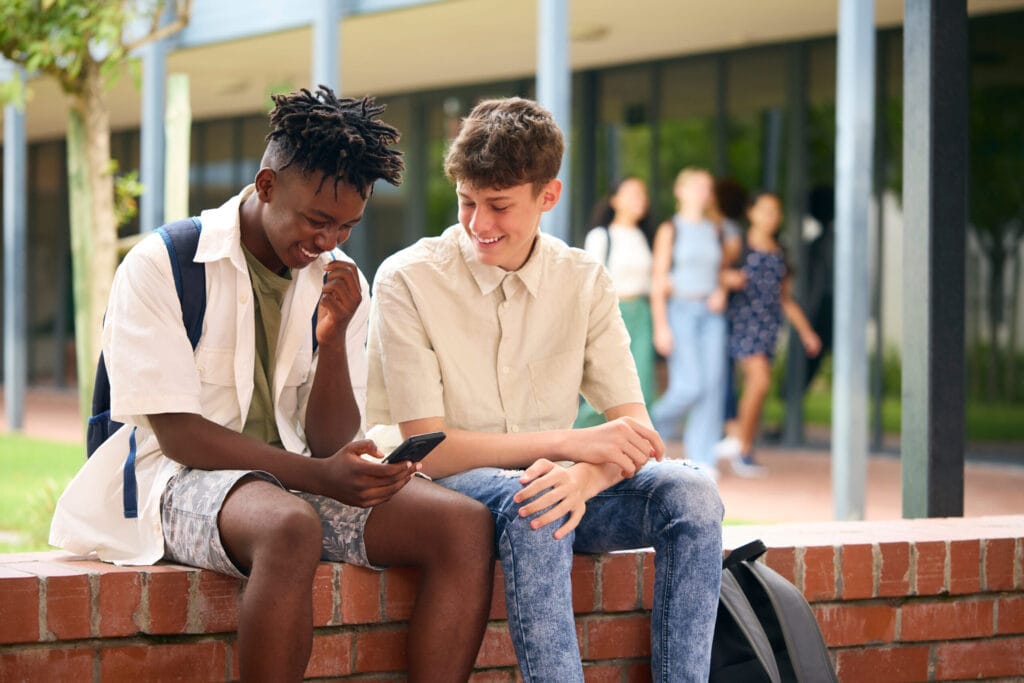
Photo by Monkey Business via Adobe Stock
Community Response to AB 2148
AB 2148 establishes that all contractors and employees who deliver direct classroom instruction must be natural persons, not computer algorithms, automated agents, or artificial intelligence programs. The bill’s text specifically prohibits the use of AI systems to plan or deliver lessons, assess student work, or provide classroom management.
However, the law still allows schools to use AI software as a supplemental resource for tutoring, skill-building, and administrative tasks, provided that these tools do not replace or make final decisions about core teaching responsibilities.
Supporters of the law, including major teacher unions and parent organizations, argue that AB 2148 protects the quality of instruction and the integrity of the teaching profession at a time when automation is rapidly advancing. They point to the irreplaceable value of teacher-student relationships and warn that delegating teaching to machines could undermine trust, accountability, and the ability to address students’ individual needs.
Critics of the law, meanwhile, worry that it could limit innovation or prevent schools in under-resourced areas from using AI to address staffing shortages, but the overwhelming consensus in Sacramento was that the risks of replacing teachers with AI outweighed potential benefits.
With this new law, California sets a national precedent, reaffirming the state’s commitment to human-centered education even as technology continues to evolve.
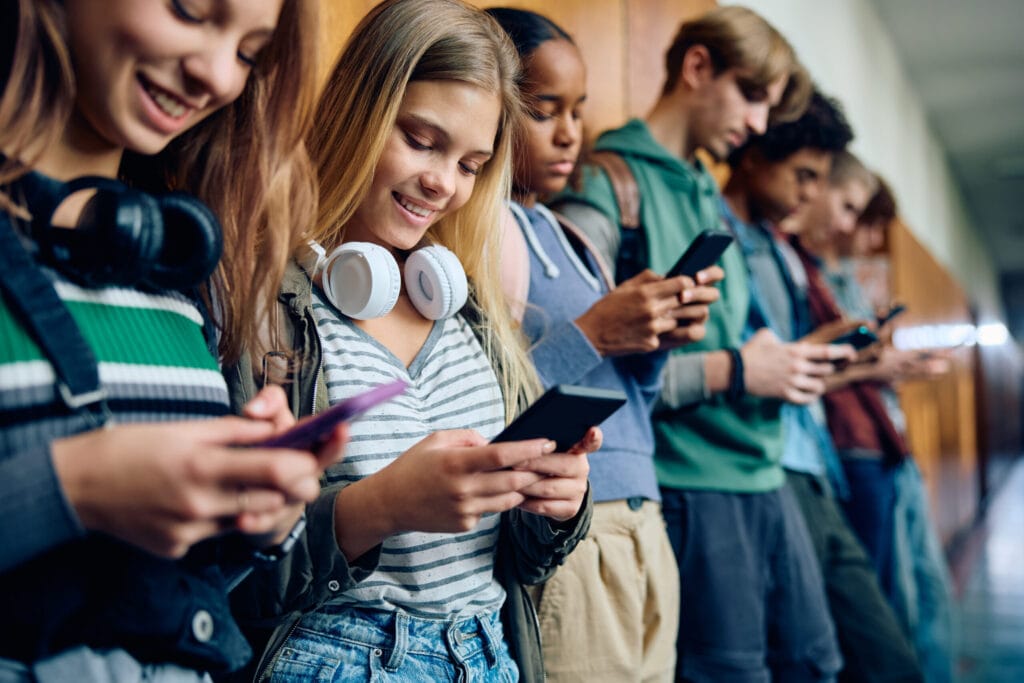
Photo by DRAZEN via Adobe Stock
Community Reactions to AB 3216 and What’s Next
These two new tech rules have started many conversations in Southern California communities. Some tech supporters worry that banning phones could hurt student digital portfolios, while many people see the AI teacher ban as an important way to protect workers’ rights as automation grows.
As schools and lawmakers move forward, many expect more debates about how well these policies work and how to handle issues like digital fairness, privacy, and student safety. Districts will review the rules as they gather data, and some experts think changes or exceptions might be made in the future.
What Parents Should Do: Steps for Navigating AB 3216
- Learn Your District’s Policy
- Check your school or district’s official website for details on their specific phone policy. Enforcement and penalties will vary, so it’s important to know if your child will be required to use a Yondr pouch, leave their phone in a backpack, or follow a different protocol.
- Talk to Your Child Early
- Discuss the new rules before the school year begins. Help your child understand why phones are being restricted and what the consequences are for breaking the rules. Address any worries they have about emergencies or staying in touch.
- Prepare for Emergencies
- Make a plan with your child for how to communicate in case of emergencies. Update emergency contacts with the school and clarify how the school will notify families if something urgent happens.
- Support Healthy Tech Use at Home
- Encourage your child to use their phone responsibly outside of school. Model good digital habits and set boundaries for screen time, especially during homework and bedtime.
- Advocate for Your Child’s Needs
- If your child has a medical condition or special learning needs, work with school administrators to ensure the appropriate exceptions are documented and honored under AB 3216.
- Stay Involved and Voice Concerns
- Attend school board meetings, join parent groups, and share feedback with district leaders. Your input can help shape how phone policies are implemented and adjusted over time.
FAQ: California’s 2026 School Phone Law (AB 3216)
Yes. California passed the Phone-Free Schools Act (AB 3216), which restricts or bans student smartphone and smartwatch use during school hours across all public K-12 schools. The law goes into effect in July 2026.
AB 3216 requires every California school district to adopt and enforce policies that limit or prohibit student use of smartphones and smartwatches during the school day. Districts can choose the enforcement method—such as requiring devices to be locked in pouches, stored in backpacks, or powered off—so long as the policy meets the law’s minimum requirements.
AB 3216 takes effect on July 1, 2026.
Penalties vary by district. Some schools confiscate devices or require parent pickup, while others use strict merit or demerit systems. All districts must have clear consequences for violations, as outlined in their adopted policies.
Yes. AB 3216 applies to all California public K-12 schools. Private schools are not required by law to follow AB 3216, but many may choose to set their own phone policies.
Yes. The law allows exceptions for device use during on-campus emergencies, for medical purposes (such as blood sugar monitoring), or as part of a documented special education or learning plan.
If you have any questions or want to report a typo, tip, or other concern, please do not hesitate to message DOPE Quick Reads.