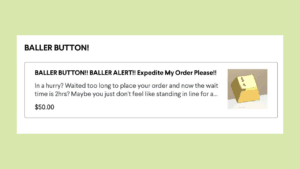
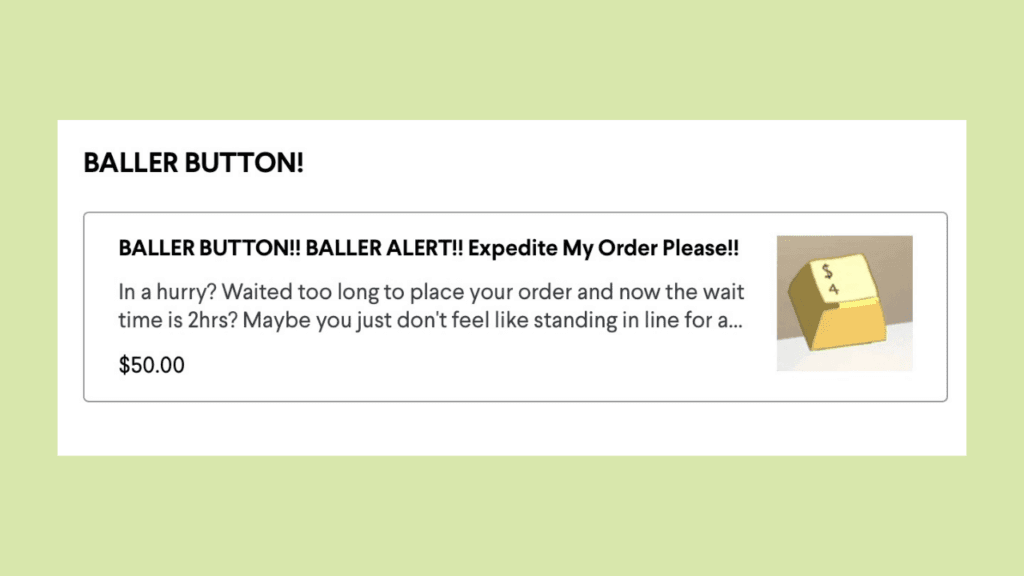
What if you could pay to skip the line at your favorite restaurant? The “Baller Button” at Lighthouse Bagels & Deli allows you to do just that! For a $50 tip, you can push your order to the front of the line, bypassing those who are unwilling or unable to pay the cost.
Are these “skip-the-line” passes a clever innovation in customer service, or do they point to more serious issues in our culture?
Estimated reading time: 8 minutes
Table of contents
Understanding the “Baller Button”: How It Works
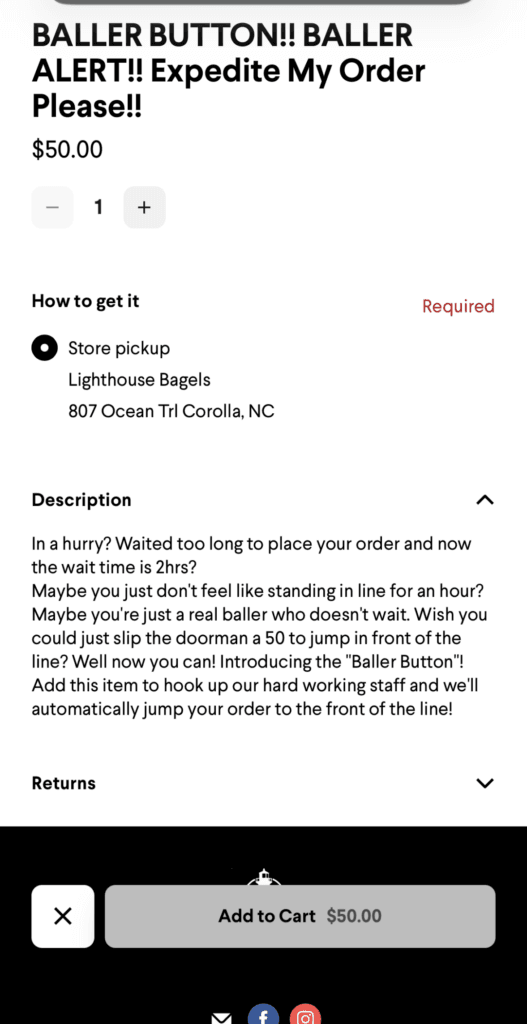
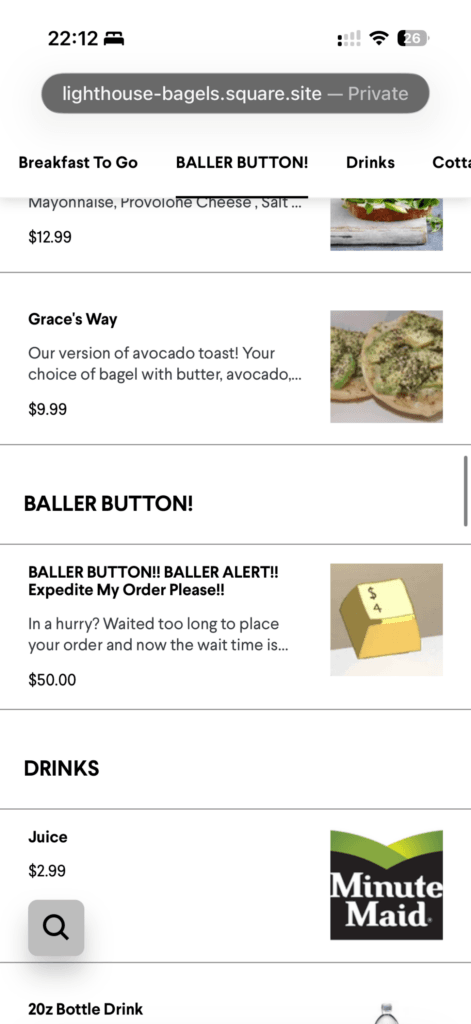
The “Baller Button” is more than just a quirky idea; it’s a new way to think about dining. At Lighthouse Bagels & Deli, customers can pay $50 to skip ahead in line.
How does it work? When someone uses the “Baller Button,” they give a tip to the staff, who then move that order to the front. Many restaurants are searching for ways to improve the dining experience, but is this the best way?
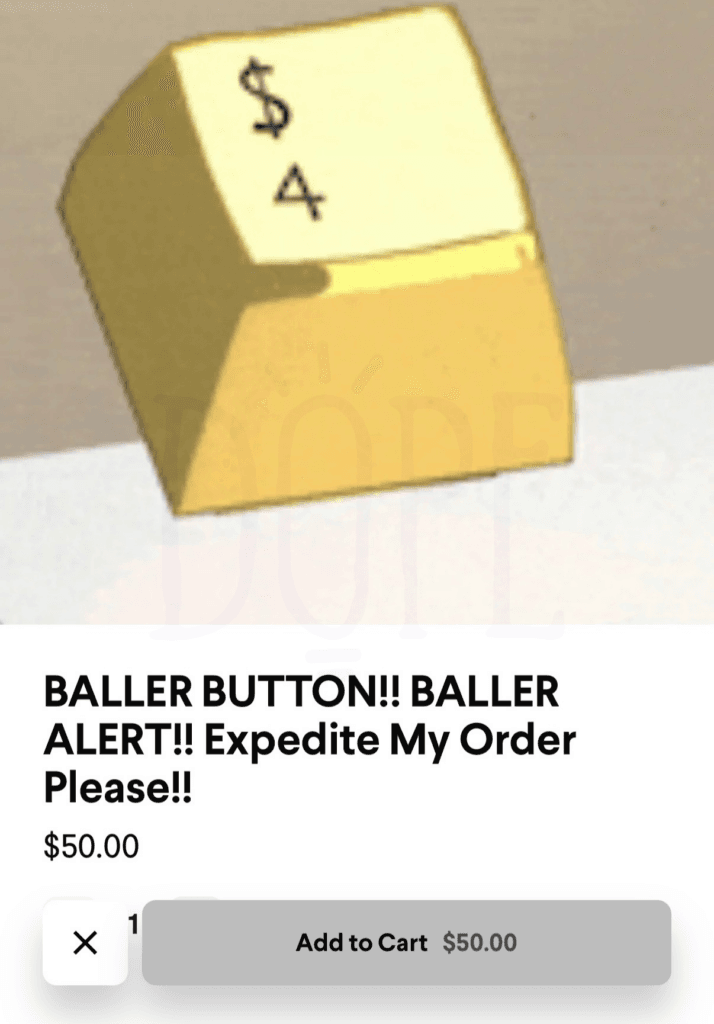
The “Baller Button” might sound fun, but it signals a growing divide. Picture a busy Saturday morning: someone running late pays the $50 fee and gets their bagels right away, while others who arrived earlier but didn’t pay watch their orders stay on hold.
Similarly, at a popular ramen shop in New York, diners can pay extra for a fast-track table. Meanwhile, walk-in customers sometimes wait over an hour and watch others go ahead of them.
Even in Los Angeles at some brunch spots, regulars say you can get express seating if you pay an extra fee during busy times.
What Inspired the Creation of the Baller Button?
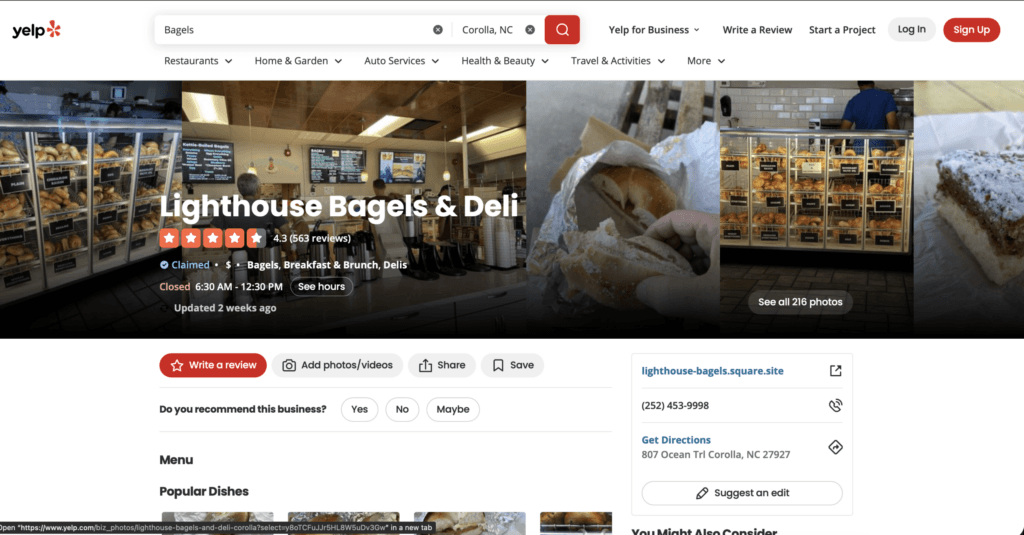
Why was the “Baller Button” created? We tried to contact Lighthouse Bagels to find out more about why they started the “Baller Button.” As of publication, we haven’t heard back, so we can only guess at their reasons. Online conversations and review comments show that people have mixed feelings about the service.
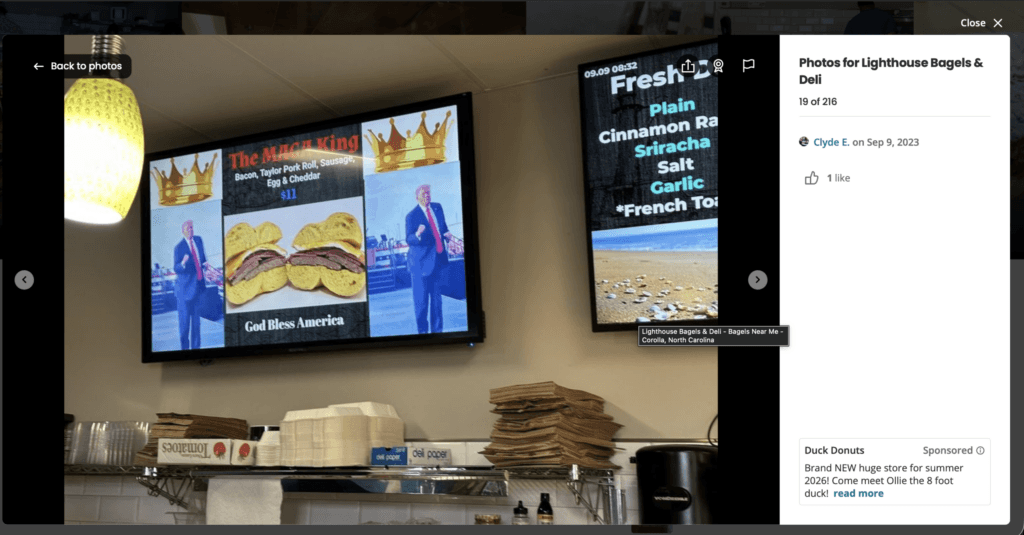
Some customers say on social media that they like being able to get their food quickly, especially when they’re in a rush. Others feel it’s unfair to people who can’t pay or think it makes the place less friendly. Staff might like the extra tip from the “Baller Button,” but could also feel uncomfortable dealing with the tension between waiting customers and those who skip the line.
How Does the Baller Button Affect Restaurant Operations?
- Customer Demand: People want faster service, and the “Baller Button” lets them skip the wait.
- Staff Support: The tip can make workers feel appreciated and encourage them to work harder.
- Competitive Edge: Restaurants offer special services like this to attract more customers.
Yelp reviews show that the “Baller Button” has been around for years. While there is one negative review, most people don’t seem to mind it. In a review from May 28, 2022, Jeffrey writes:
“…[B]ut don’t worry! they offer to up charge you 50 dollars so they will make your order right away…OR if you don’t want to or can’t wait that long they will just keep your money and you get nothing but ripped off.
I’m guessing part of the insane wait time for breakfast bagels is the amount of fools willing to pay 50 dollars (insane) to jump ahead to the front of the line of others who placed orders or came to the place to stand in line for 40 mins for a sandwich that takes 5-6 mins to make max! Horrible business practice and just a straight shiester move to make and the attempt to make It sound cool to do by calling it a “baller button” for entitled people who can afford or choose to spend triple what their order costs just so they don’t have to wait is just gross and petty. But hey if enough idiots continue to let it happen by eating there they will just keep doing it.”
Is it Fair to Pay for Faster Service?
When some customers pay to skip the line, it creates a gap between people who can afford it and those who can’t.
Some people feel uneasy about paying for faster service. It can make time seem like a privilege for those who pay. People left waiting might feel resentful and think their time is less important.
The idea that those with greater financial means can secure special treatment is often debated within frameworks of distributive justice, which focus on whether resources and opportunities are shared fairly in society.

When faster service depends on being able to pay, it can reinforce existing inequalities and suggest that convenience and respect are privileges, not rights.
This service can also change the mood in the restaurant. People who use the “Baller Button” might expect special treatment, which could create tension between customers and staff.
What does it say about our values if money decides who gets served first? In the end, the debate over the “Baller Button” is really about privilege and equality in our society.
Is the Baller Button the Only of Its Kind?
Many places are trying new ways to keep customers happy when lines are long. The “Baller Button” is unusual, but it’s not the only example.
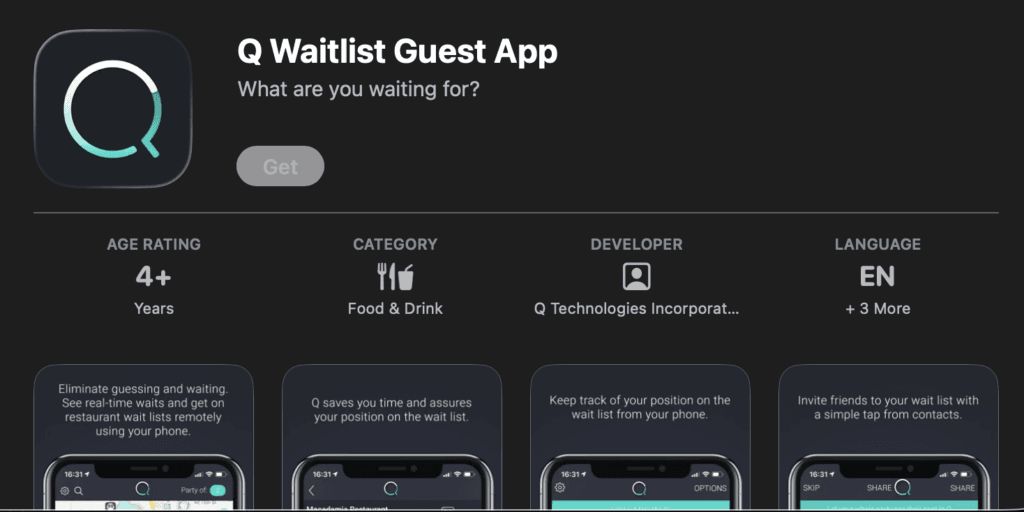
Some Seattle restaurants use Q Waitlist, which lets people pay $5 to skip the line if the wait is over 20 minutes. FastPass is another tool that lets guests pay to move up in line, but it’s not available everywhere.
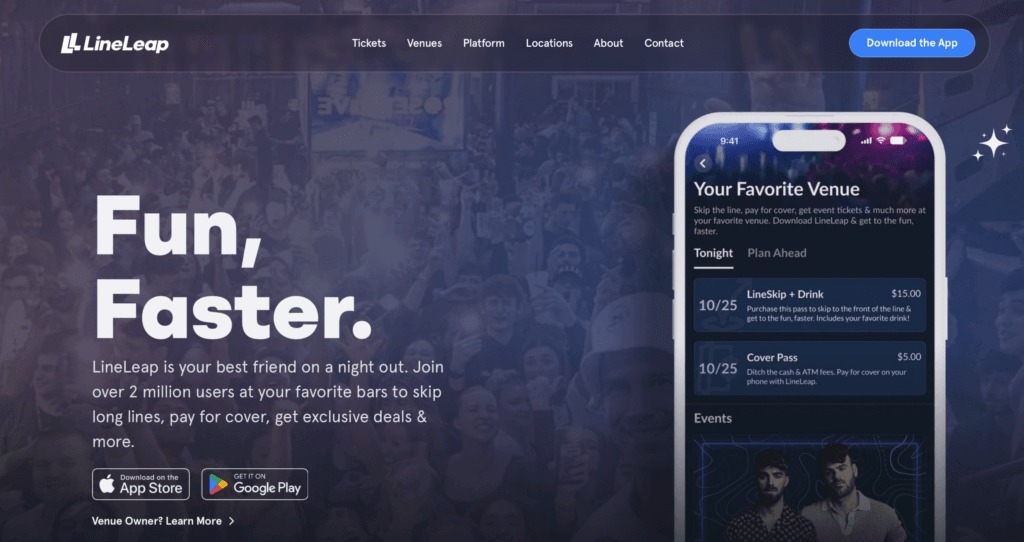
Other services, like LineLeap, let people pay to skip lines at bars and concerts. Apps like Access charge high fees for special reservations at top restaurants. Some people even pay others to stand in line for them.
Most restaurants still use reservations, try to speed up their kitchens, or look for ways to make dining fair for everyone. Some are testing text message notifications, app-based waitlists that show your place in line, or offering free snacks or entertainment to people waiting.
Others use digital ordering kiosks or offer discounts for off-peak times to reduce crowds. Some restaurants have also tried community-focused ideas, like group pre-ordering for clubs or events, having staff check in with guests and share wait time updates, or hosting small events for people in line.
Additionally, many restaurants host games or give out small samples to make waiting more enjoyable and bring people together. Pay-to-skip options are still rare because owners worry they might make some people feel left out.
Balancing Convenience and Fairness in Dining
While the “Baller Button” gives faster service to those who pay, are we comfortable with a system where money decides who gets served first? Similar practices show up in other industries, like airlines selling priority boarding, theme parks offering express passes for a higher price, and sports arenas with VIP entry and seating.
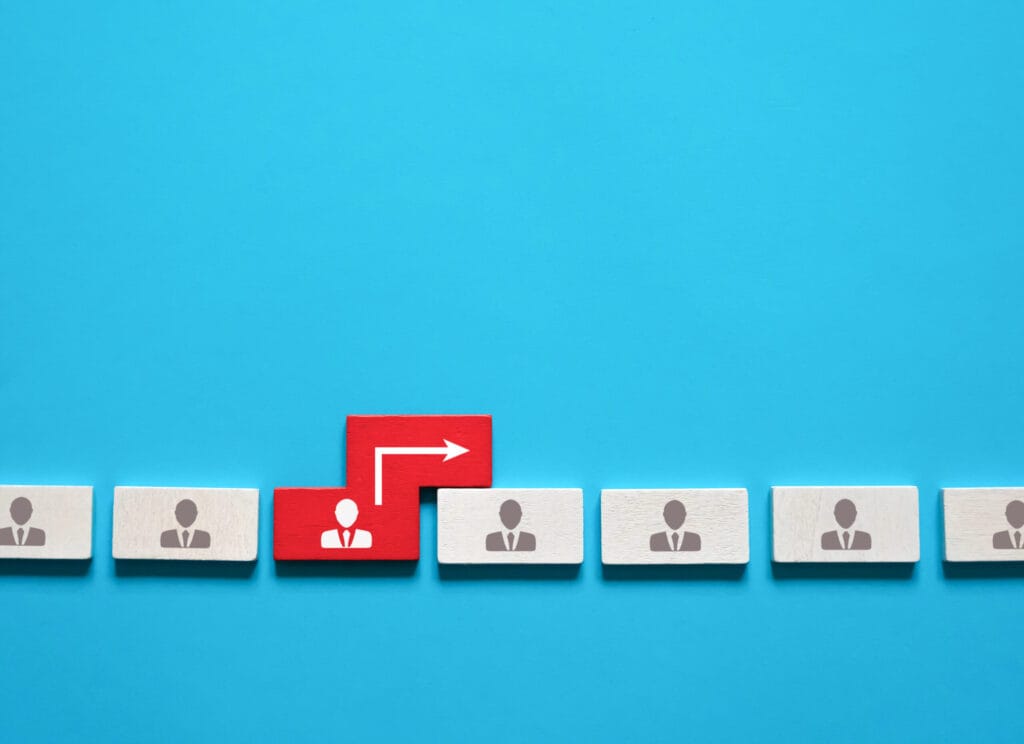
Even in healthcare, people can sometimes pay for faster appointments or premium services. In tech, internet providers may offer premium “fast lanes” for customers who pay more. Special treatment for those who can pay goes back to train travel, where first-class passengers got exclusive perks and boarding.
Think about your own experiences: Have you ever chosen to pay extra to skip a line, or decided to wait your turn instead? Did it feel fair or unfair?
In the end, the future of customer service in restaurants depends on how businesses handle these challenges. Will they find a way to balance convenience and fairness?
If you have any questions or want to report a typo, tip, or other concern, please do not hesitate to message DOPE Quick Reads.