Should we treat voting like jury duty? Many argue for and against why voting shouldn’t be mandatory.
So far, only 40% of local voters cast a ballot in the June 2026 San Diego County primary. That means nearly 1.2 million citizens stayed home. Right now, a small group of your neighbors makes the rules about your taxes. They also make many rules about your local schools.
Is voting mandatory in San Diego? No, it is not. But, to fix our system, some voters are in favor of forcing everyone to participate in elections.
Estimated reading time: 8 minutes
Table of contents
Should Voting Be Mandatory Like San Diego Jury Duty?
We already have laws that force us to do things. Everyone must pay taxes. We are required to go to school.
In San Diego County, we also have strict rules for jury duty. U.S. citizens over 18 must serve if called. Skipping jury duty can lead to a $1,500 fine or jail time. The law treats jury duty as a mandatory community service to protect the courts.
If the law requires citizens to participate in courts, why not force them to vote? Making sure voters participate in elections is just as important as jury duty.
What Other Countries Do
People ask, “Is voting mandatory in the US? The answer is no. This is true even during presidential elections. But it is a popular idea across the ocean, where voting is compulsory, meaning it is required.
| Country | How It Works | Turnout Rate |
| Australia | Citizens pay a fine for failing to vote. | Over 90% |
| Belgium | Citizens face fines or job trouble. | Over 88% |
| United States | Voting is totally optional for every citizen. | Around 40% to 60% |
Voter Turnout Rate Comparison
Compulsory Voting vs. Optional Voting
Looking at what countries have mandatory voting, data shows that the law works. In those places, compulsory voting increased overall political participation quickly. But is it right for San Diego?
Why People Want Forced Voting
Locals from different neighborhoods share differing views about “why should voting be mandatory.” Some believe forcing people to vote would directly heal our broken neighborhoods. Here are the main reasons why supporters of compulsory voting believe it could change our community:
- True Democracy: It would increase voter turnout so elections reflect what everyone wants. Right now, politicians only listen to the small group that shows up. Forced voting makes sure every single voice in San Diego has power.
- Better Political Parties: Local political parties would have to care about all neighborhoods. They could no longer ignore lower-income areas or minority communities. Instead, they would have to build parks, fix roads, and create jobs everywhere to win those votes.
- Fair Results: A high participation rate ensures that election outcomes represent the whole community. It forces the city to fund projects that help the majority, not just wealthy donors.
True Democracy
Forces politicians to listen to every neighborhood, making sure all local voices share equal power.
Better Parties
Political parties can no longer ignore low-income blocks. They must fix roads and parks everywhere.
Fair Results
High turnout stops small groups from controlling laws, ensuring tax funds match majority choices.
Why Voting Shouldn’t Be Mandatory
On the other hand, many voters ask, “Why should voting not be mandatory?” They believe forcing people to vote hurts community trust and damages personal freedom. They have strong arguments against compulsory voting laws:
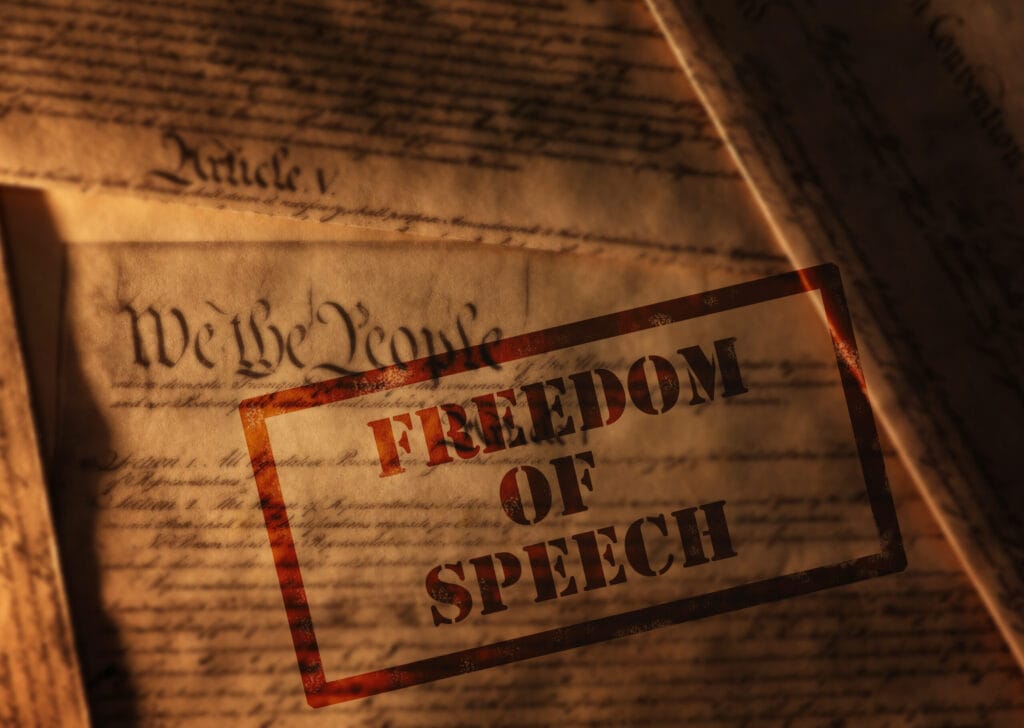
- Freedom of Speech: The right to express opinions also includes the right to stay silent. Forcing someone to pick a candidate feels like government bullying to many citizens.
- Uninformed Choices: Forcing participation may lead some to make random selections on the ballot. If people just pick names at random to avoid a fine, bad laws could pass. This could accidentally ruin local schools or destroy city budgets.
- Fairness: Punishing people for skipping a general election hurts poor families the most. A $20 or $50 fine is nothing to a rich person, but it can stop a poor family from buying groceries or paying rent.
The Real Cost of Staying Home
What happens when San Diegans do not vote? Small groups of people make choices that anger everyone else. Low political participation hurts our neighborhoods. When you stay home, you give up your power to shape your daily life.
Look at the Garnet Avenue parking meters in Pacific Beach. A local planning group approved paid parking meters for the heart of this busy shopping district. Because of a low participation rate, only a few voices made this huge choice.
It surprised thousands of locals who use these streets every day. Drivers now must pay $1.25 an hour just to park.
Additionally, there is a two hour limit for parking. Local business managers say the new meters feel totally unfair. They worry the fees and time limit will drive customers away. Many neighbors feel like they have no say in how their own streets are run.
Another example is Measure A. This was an affordable housing bond on a past city ballot. It needed a two-thirds vote to pass. The measure failed because too few voters participate in these smaller local elections. If more of the community had citizens to participate, the election outcomes would be completely different. Families who need affordable housing lost out because people skipped the line.
Pacific Beach Paid Meter Map
Garnet Avenue Commercial Core ($1.25/hr)
Low turnout means a small number of voters can influence significant community decisions, such as parking fees or housing measures. When you fail to participate in elections, a tiny group of people gets to decide how your neighborhood spends money. They can raise your living costs, alter your local streets, or block important housing projects.
Should Voting Be Mandatory?
We must ask ourselves: Should voting be mandatory even in a free society?
California already tries to boost turnout by making voting very easy. Every registered voter gets a ballot mailed straight to their house. The state removed the hurdles, but citizens still choose to skip the line.
Finding the Right Balance
Forced voting could bring millions of new voices to San Diego elections. It could also force people to make choices they do not care about.
Our current system lets you skip voting, but this means that others decide local rules. Consider that when you do not vote, you lose your direct say about changes like parking fees or housing policies. The key takeaway: your participation shapes your community.
Common Questions About Voting
It would be very hard. Even though the San Diego City Charter gives the city power over local rules, any forced voting law would clash with both the California and U.S. Constitutions. Courts protect your right to speak, but they also protect your right not to speak.
No. In countries like Australia, the law only says you must show up and take a ballot. You do not have to pick anyone. Voters can leave the paper totally blank. Additionally, you can cross out all the names if you do not like anyone. This means you still obey the law, but you do not give your support to any political party.
The city can use smart scheduling. In the past, San Diego moved its city elections to November to match big national races. This simple change helped double the number of people who showed up. Schools can also teach better civics classes. Finally, the city can mail out easier voting guides to help people understand confusing ballot measures.
What do you think about mandatory voting?
Would you support a $20 fine for skipping an election, or is your right to stay home sacred? Let your opinion shape the conversation: Leave a comment below.
If you have any questions or want to report a typo, tip, or other concern, please do not hesitate to message DOPE Quick Reads.