Imagine a robot dog that can walk, swim, and even talk to you. The latest AI robot dog models are pushing these boundaries even further. This future is closer than you might think. AI robotics is advancing quickly, and these new machines are starting to change how we live, work, and use technology.
Estimated reading time: 8 minutes
Table of contents
What’s New in AI Robot Dogs?
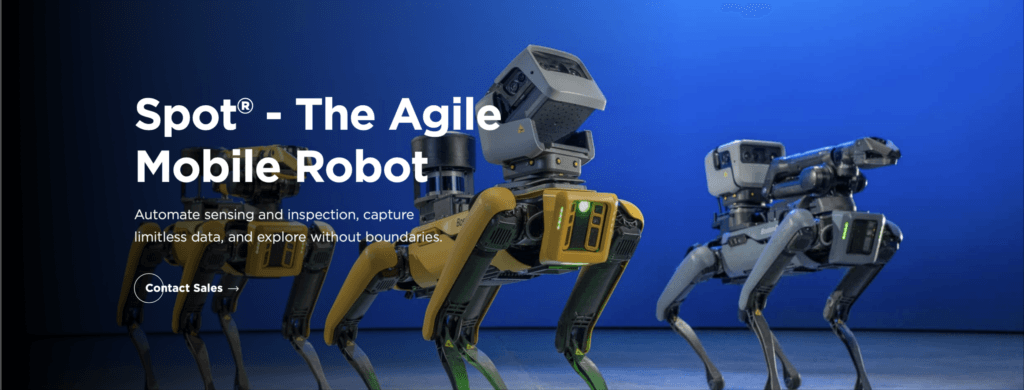
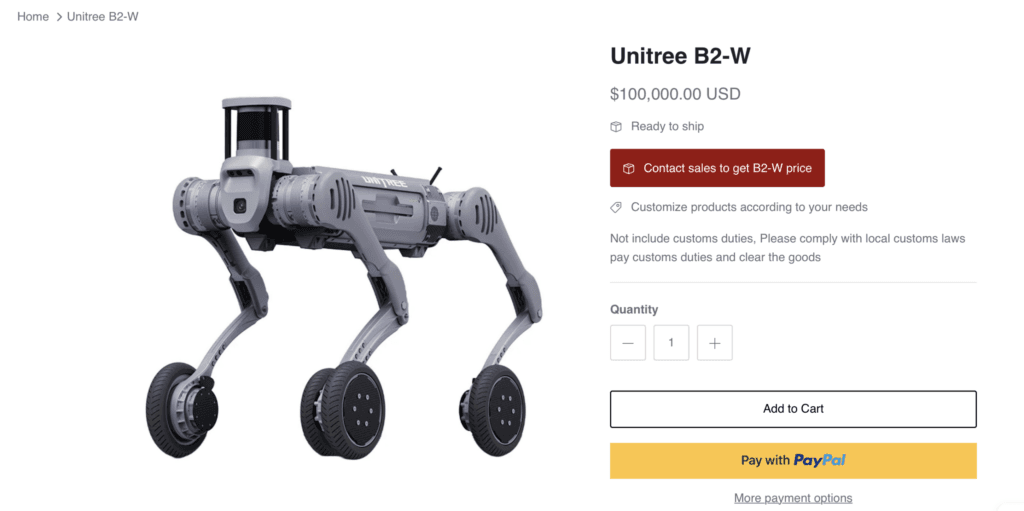
AI robot dogs are no longer just something from science fiction. Companies like Boston Dynamics and Unitree Robotics have created advanced models like the Spot AI dog and Unitree B2. These robots use artificial intelligence and sturdy designs to handle complex tasks.
- The Spot AI dog from Boston Dynamics can move over rough ground, climb stairs, and even open doors.
- The Unitree B2 is more affordable, making robot dogs available for research and industry.
- New AI robot dogs can swim, climb, and adjust how they move in different environments.
- The DuckyDog robot is a recent breakthrough. It uses legs that can change stiffness and passive fins to move on both land and water, taking inspiration from dogs and ducks.
These advances show that AI dog robots are becoming more flexible and capable.
How Do These AI Dog Robots Work?
AI robot dogs use sensors, cameras, and artificial intelligence to make sense of their surroundings. They can:
- Walk on land with an erect posture, similar to real dogs.
- Swim using passive fins that open and close automatically.
- Adjust leg stiffness to handle rough or soft ground.
- Respond to voice commands or remote control.
For example, the DuckyDog robot’s legs are made from special materials that change stiffness as it moves. This helps it walk well on land and paddle in water without needing extra motors. Its fins open when paddling to push water and close when the legs move back to cut down on drag.
By combining ideas from biology with AI control, these robots can adapt to many situations. Watch the video below of the DuckyDog AI robot dog.
Why Does This Matter to You?
You might wonder why AI robot dogs matter. They have the potential to make daily life safer, more accessible, and more productive.
AI robot dogs can go into dangerous places like disaster zones, toxic spills, or unstable buildings where people could get hurt. They can also act as guide dogs for people with disabilities, using verbal communication to better understand what people need.
These robots can check factories, farms, and construction sites, helping to prevent accidents and work more efficiently. Some AI dogs also offer emotional support and companionship, especially for people who cannot have a real pet.
Picture a robot dog that can warn emergency workers about dangers or help older adults with daily tasks. These machines could become helpful partners in many parts of life.
The Job Market: Threat or Opportunity?
As AI robot dogs become more common, people are asking important questions about jobs. Will robots replace workers, or will they create new kinds of jobs?
- Some manual and repetitive jobs might disappear as robots start to do these tasks automatically.
- At the same time, new jobs are appearing in areas like robot maintenance, programming, AI ethics, and data analysis.
- Workers will need to learn how to use and work alongside AI robots, becoming experts in these new technologies.
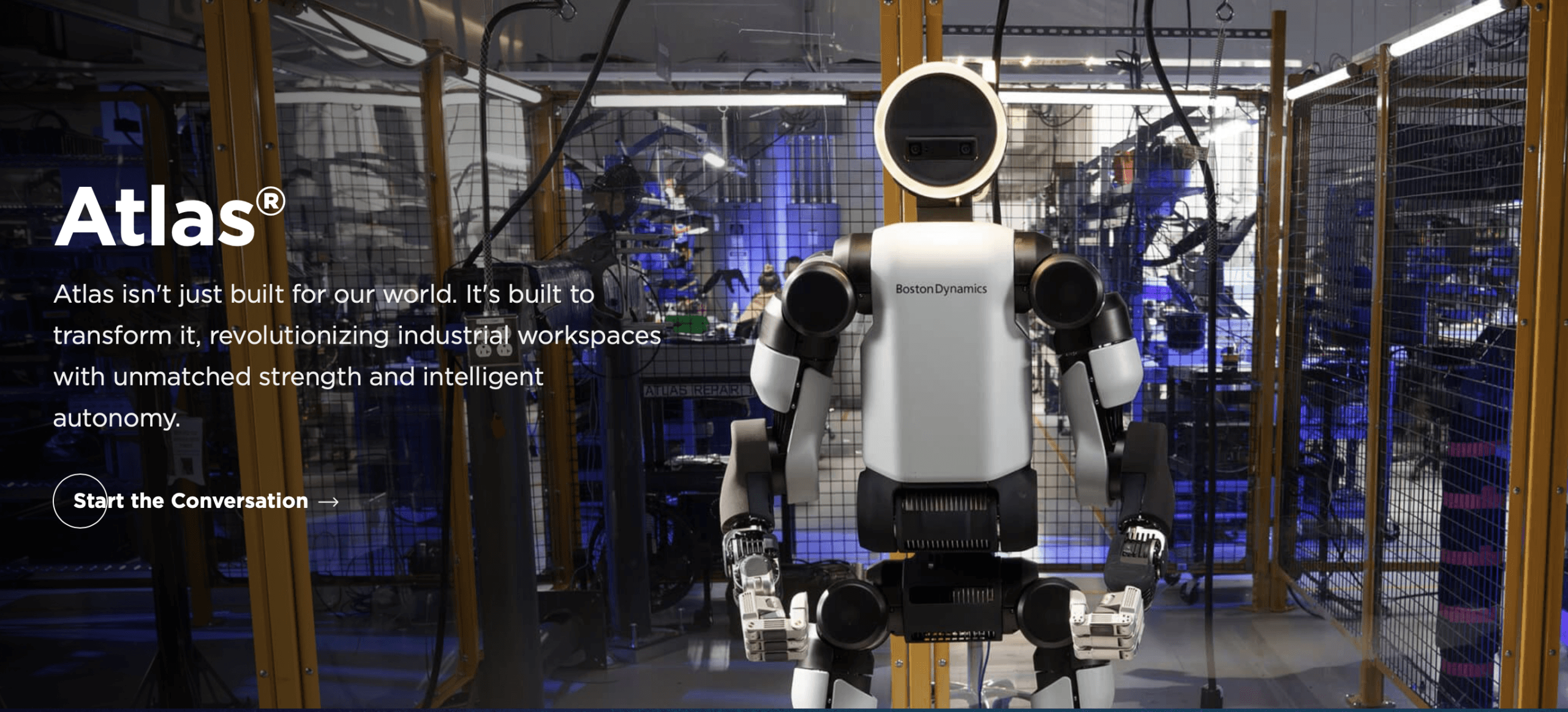
The big question is whether new jobs will keep up with the ones that disappear. Education and good policies will be important in finding this balance. Watch the video below of Atlas Airborne the AI Robot by Boston Dynamics.
Real-World Examples and Trends
Here are some well-known AI robot dogs and what they can do:
| Robot Dog Model | Key Features | Price Range | Use Cases |
| Spot AI dog (Boston Dynamics) | Agile, terrain navigation, remote control | High ($70,000+) | Industrial inspection, security |
| Unitree B2 | Affordable, fast, programmable | Moderate ($10,000-$20,000) | Research, inspection |
| DuckyDog | Amphibious, variable stiffness legs | Prototype stage | Research, exploration |
| AI Robot Dog Boston Dynamics (general) | Advanced AI, multi-terrain | Premium | Military, rescue |
- Police and industrial teams around the world are already using Boston Dynamics’ Spot AI dog.
- The DuckyDog robot can swim and walk, showing amphibious capabilities that few others have.
- New AI human robots are being developed to assist in healthcare and eldercare.
- Research on smart robotic guide dogs that can talk is moving quickly, offering better help for people who are visually impaired.
What Are the Risks?
AI robot dogs have many benefits, but they also come with risks that need attention:
- Privacy concerns: Cameras and sensors on robot dogs could be misused for surveillance or data collection without consent.
- Safety issues: Malfunctions or hacking could cause accidents or misuse.
- Ethical questions: Using robots in law enforcement or military roles raises moral dilemmas about autonomy and accountability.
- Job displacement: Rapid automation may outpace the creation of new jobs, leading to economic and social challenges.
It’s important to understand these risks so we can develop and use AI robot dogs responsibly. Watch the video below for more on the Spot AI Robot dog.
How AI Robot Dogs Connect to Current Events
AI robotics does not exist on its own. It connects with many real-world issues:
Robots like DuckyDog can explore flooded or dangerous areas to help monitor the environment. They can also do tasks remotely during pandemics to keep people safe from disease, help police and security teams with surveillance and bomb detection, and help schools and companies train workers to use AI robots as jobs change.
What’s Next for AI Robotic Dogs?
The future for AI robot dogs is full of exciting possibilities:
- Robots that understand and respond to human emotions.
- AI dogs that learn from experience and improve their behavior over time.
- More affordable models for home use, providing companionship and assistance.
- Integration with smart homes and cities to enhance daily living.
As AI robot dogs get smarter and more flexible, we will need to think again about how we relate to machines. Watch the videos below for more on Unitree’s G1 AI Robot.
Final Thoughts
AI robot dogs are more than just machines. They are tools that could change society. They make us think differently about safety, work, and companionship. As these technologies develop, it’s important to stay informed and think carefully about them.
Are we ready to live alongside AI dogs? How might they change your life?
Read more on AI Robotics
- Boston Dynamics official site: bostondynamics.com/products/spot
- DuckyDog research article: Advanced Intelligent Systems
- Unitree Robotics: shop.unitree.com
- Research on robotic guide dogs: arxiv.org/pdf/2603.12574
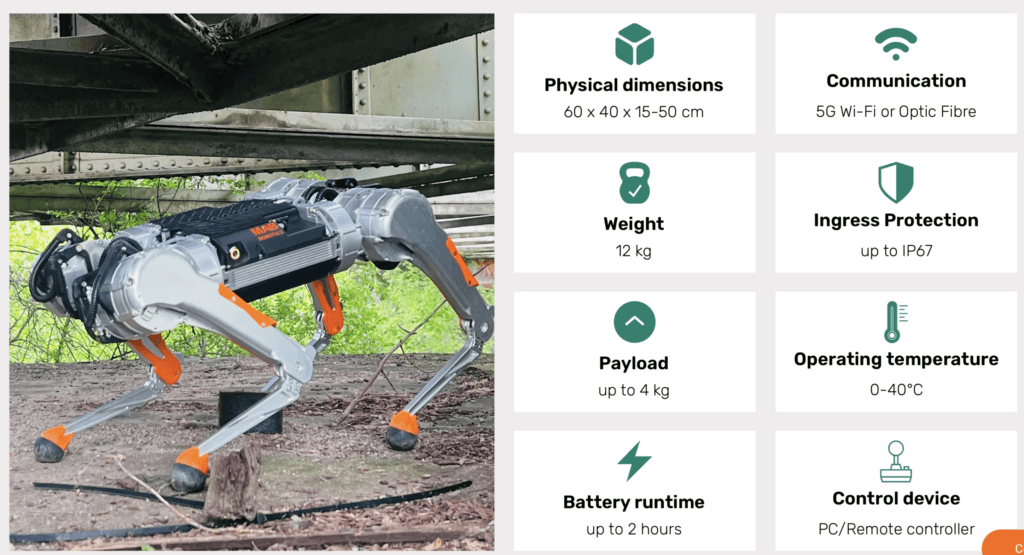
- MAB Robotics: mabrobotics.pl
Frequently Asked Questions
How soon will AI robot dogs be affordable and ready for everyday use?
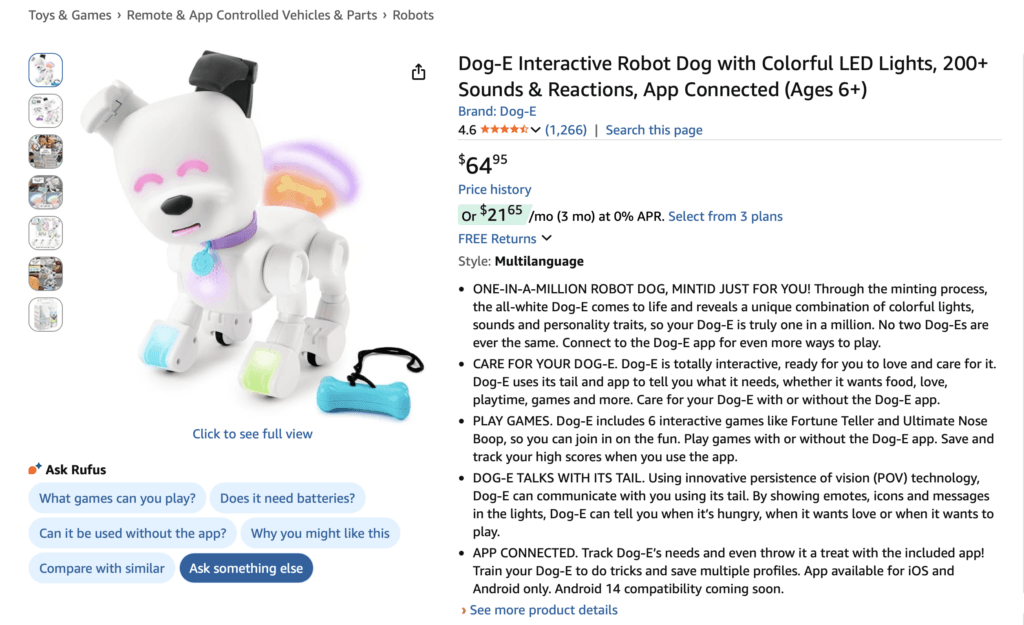
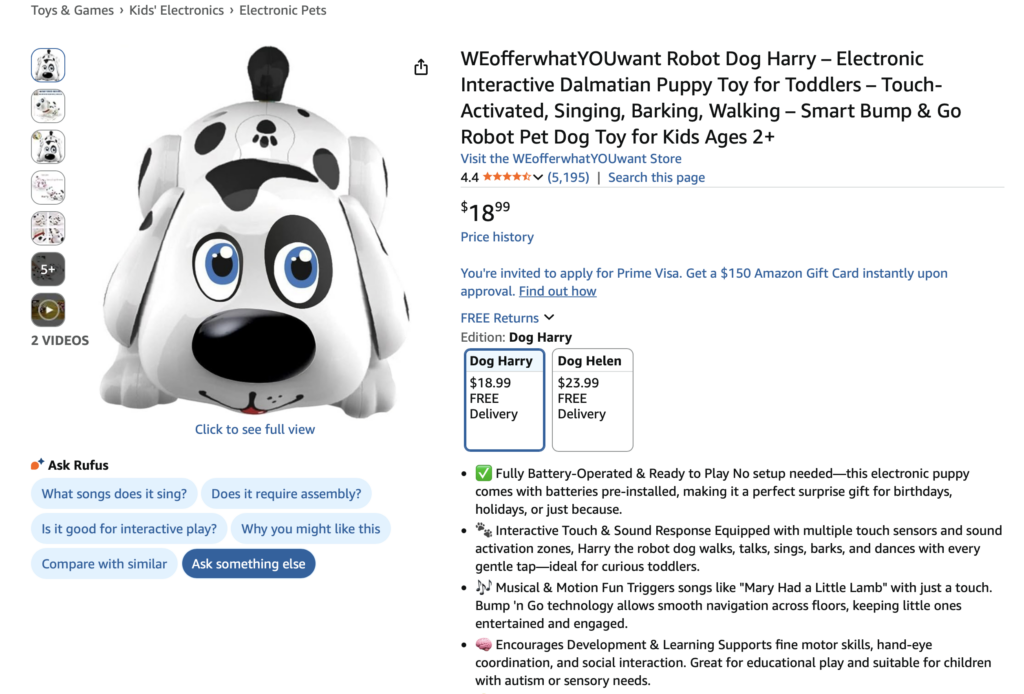
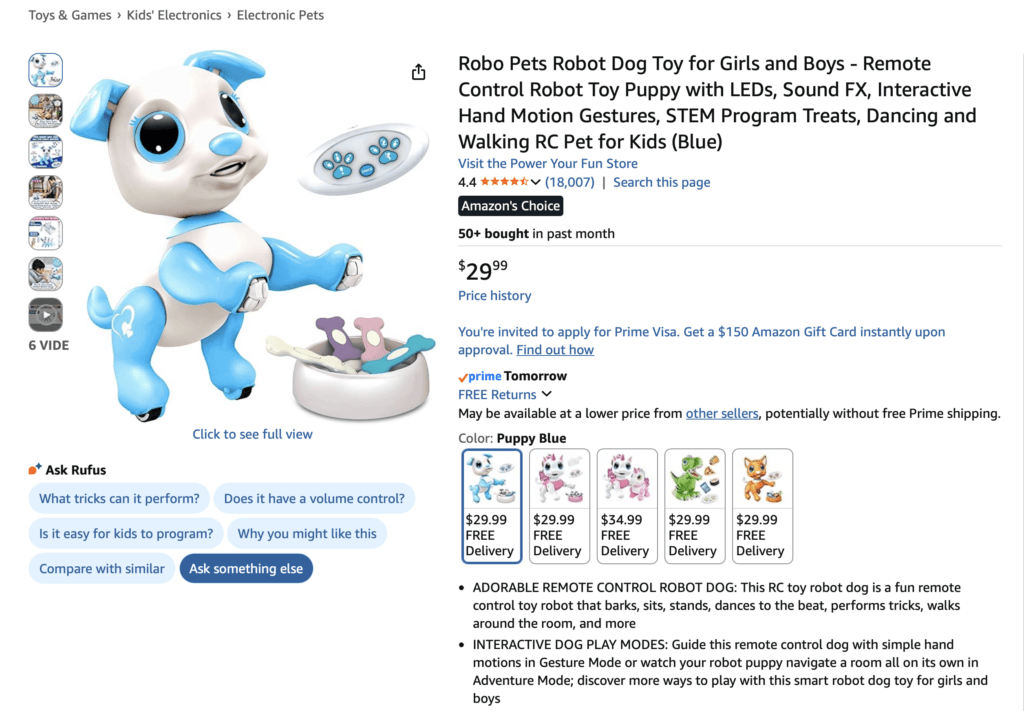
Right now, most advanced robot dogs are expensive and mainly used by companies or researchers. But prices are coming down, and simpler models are becoming more available. Less-advanced versions are available as children toys, but may take a few years before most people can afford to own one of the more advanced robot dogs.
Who decides where and how AI robot dogs are used, especially in sensitive areas like police work?
Rules for using robot dogs in law enforcement or surveillance are set by governments, companies, and communities. It’s important for these decisions to include public input to protect privacy and rights.
What should I think about before buying or interacting with an AI robot dog?
Think about how you’ll use the robot dog, its safety features, and your comfort with technology. Also, consider privacy and whether you trust the company that made it.
What new jobs or skills will be needed as AI robot dogs become more common?
Jobs will grow in areas like robot repair, programming, and managing AI behavior. Skills in technology, problem-solving, and ethics will matter more.
How do we keep AI robot dogs safe from hacking or being used wrongly?
Manufacturers add security features to these robots, but regular updates and strong rules are still needed. Users and regulators need to work together to prevent misuse.